

Quick answer
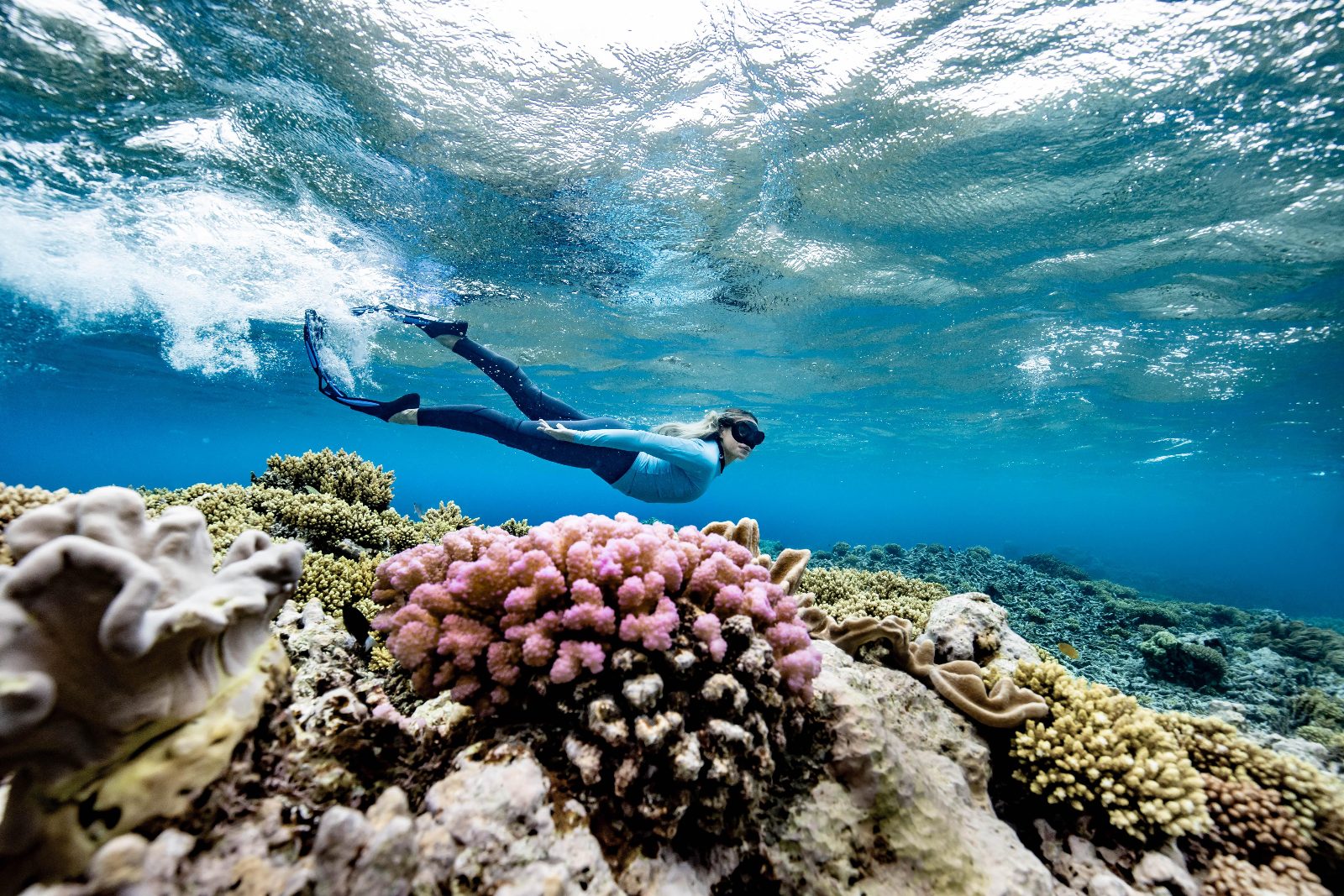
Yes, you can snorkel at Port Douglas through daily reef tours departing from the marina. The town provides access to outer reef sites including Agincourt Reef, Low Isles, and Opal Reef, all within 40 to 90 minutes by vessel. Tours operate year-round from the Great Barrier Reef Marine Park, with morning departures between 08:00 and 10:00 offering the calmest seas and best visibility.
Port Douglas functions as the northernmost reef-access hub in Queensland, positioned 15 kilometers closer to the continental shelf than Cairns. That proximity cuts transit time to outer reef systems, where coral density and fish populations surpass inshore sites. The reef itself is free to enter—there is no park gate fee—but commercial operators include a mandatory environmental management charge set by the Great Barrier Reef Marine Park Authority. Vessels depart from the marina on Wharf Street, targeting three primary zones. Agincourt Reef, a ribbon formation 65 kilometers offshore, offers wall dives and shallow coral gardens frequented by turtles and reef sharks. Low Isles, a coral cay 15 kilometers northeast, sits inside a protected lagoon with sandy entries suited to first-time snorkelers. Opal Reef, midway between the two, balances accessibility with species diversity—manta rays and Maori wrasse patrol its bommies during summer months. Port Douglas snorkeling operates within the Great Barrier Reef Marine Park, a UNESCO World Heritage zone managed under strict zoning laws. Operators hold permits for designated mooring sites to prevent anchor damage. The reef's health fluctuates—cyclones and bleaching events in 2016 and 2020 reduced coral cover in some sectors—but northern sections around Port Douglas recovered faster than mid-shelf areas further south. Water temperature ranges from 23°C in winter to 29°C in summer, eliminating the need for thick wetsuits but requiring sun protection year-round. Snorkeling from Port Douglas does not require prior certification, unlike scuba diving. Operators provide flotation vests, masks, and in-water guidance. Visibility averages 15 to 25 meters on calm days, dropping during the wet season from December through March when river runoff clouds coastal waters. The marine park operates daily with no closure days, though weather occasionally suspends departures during tropical low-pressure systems.
“Port Douglas sits 15 kilometers closer to the outer reef than Cairns, cutting an hour from the round-trip transit to pristine coral systems.”
When Can You Snorkel at Port Douglas for Best Conditions?
The best time to snorkel at Port Douglas is during the morning hours, specifically the 08:00–10:00 arrival window. Morning departures typically provide calmer seas and higher water clarity before afternoon winds increase.
Weekday mornings
Lower visitor numbers—
Calmer seas and optimal water clarity for snorkeling.
June to August
ModerateDry season, 18°C–26°C
Cooler air and water temperatures with lower humidity and high visibility.
September to November
HighWarm, 22°C–30°C
Stable weather conditions and transition into the warmer season.
December to March
HighHot/humid, 24°C–32°C
Higher chance of rainfall and increased likelihood of jellyfish presence.
Verdict: The optimal time to visit is during the dry season months of June to October, arriving for the 08:00–10:00 morning window to maximize water visibility.
What Fees Apply When You Snorkel at Port Douglas?
There is no entrance fee to access the Great Barrier Reef Marine Park. Costs associated with snorkeling tours include mandatory environmental charges levied on commercial operators.
Checklist for Those Who Can Snorkel at Port Douglas
Pack smart and prepare documentation to make the most of your reef snorkeling day from Port Douglas.
-
Book your snorkeling tour in advance — Most operators require reservations and fill quickly during peak season.
-
Bring valid photo ID and confirmation email — Tour operators verify bookings at check-in before departure.
-
Pack reef-safe sunscreen (non-nano zinc or titanium) — Chemical sunscreens damage coral; marine park regulations encourage reef-safe alternatives.
-
Wear a rashguard or long-sleeved swim shirt — Extended sun exposure on the water causes severe burns even on overcast days.
-
Bring a wide-brimmed hat and sunglasses — Essential for the boat journey to and from the reef sites.
-
Pack a dry bag for valuables — Keeps phones, wallets, and cameras protected from saltwater spray on deck.
-
Take motion sickness tablets one hour before — Outer reef trips cross open water where swells can be significant.
Check availability
Frequently Asked Questions About Snorkeling in Port Douglas
Everything you need to know about can you snorkel at port douglas